Mount Field National Park
Mount Field National Park
Just an hour from Hobart, Mount Field National Park condenses giant eucalyptus forests, dramatic waterfalls and alpine plateaus into a single unforgettable day.
Just one hour west of Hobart lies one of Tasmania's most spectacular natural treasures: Mount Field National Park. Here, nature reveals itself in all its splendour—towering eucalyptus forests, magnificent waterfalls and crisp alpine landscapes. Whether you're seeking a leisurely stroll or serious hiking adventures, these mountains offer a genuine sanctuary. Take time to breathe the pure air, listen to the rush of cascading water, and watch for wallabies and Tasmanian devils around each bend in the trail.
The History of Mount Field National Park
Established in 1916, Mount Field National Park ranks among Tasmania's oldest, alongside Freycinet. The area surrounding Russell Falls had already been protected since 1885, making it the state's first nature reserve. This region also witnessed the capture of Tasmania's last wild tiger in 1933—a symbol of a bygone era. Officially renamed Mount Field National Park in 1947, the park expanded years later with the creation of Mount Mawson's ski club. Today, this century-old sanctuary remains cherished by locals and travellers alike, offering a privileged escape to discover Tasmania's wild heart.
Wildlife and Flora
Mount Field National Park guides you through multiple natural worlds within just a few kilometres. In the valleys, temperate rainforests dominate: tree ferns, thick mosses and lichens carpet the humid understory. At higher elevations, you'll encounter giant eucalyptus trees—among the tallest on Earth, some exceeding 80 metres. Further up still stretch alpine heathlands, with colourful heathers and brilliant waratahs. Gunn's beech, a species endemic to Tasmania, casts a spell across the high plateaus, especially in autumn when it blazes with golden and crimson hues.
Mount Field hosts rich and varied wildlife iconic to the island. Bennett's wallabies, wombats, Tasmanian devils and spotted-tail quolls roam the park. More elusive, platypuses hide in streams, while glowworms illuminate certain forest sections. This unique blend of ancient forests, wind-swept peaks and preserved wildlife makes Mount Field a perfect microcosm of Tasmania's natural heritage.
What to See and Do
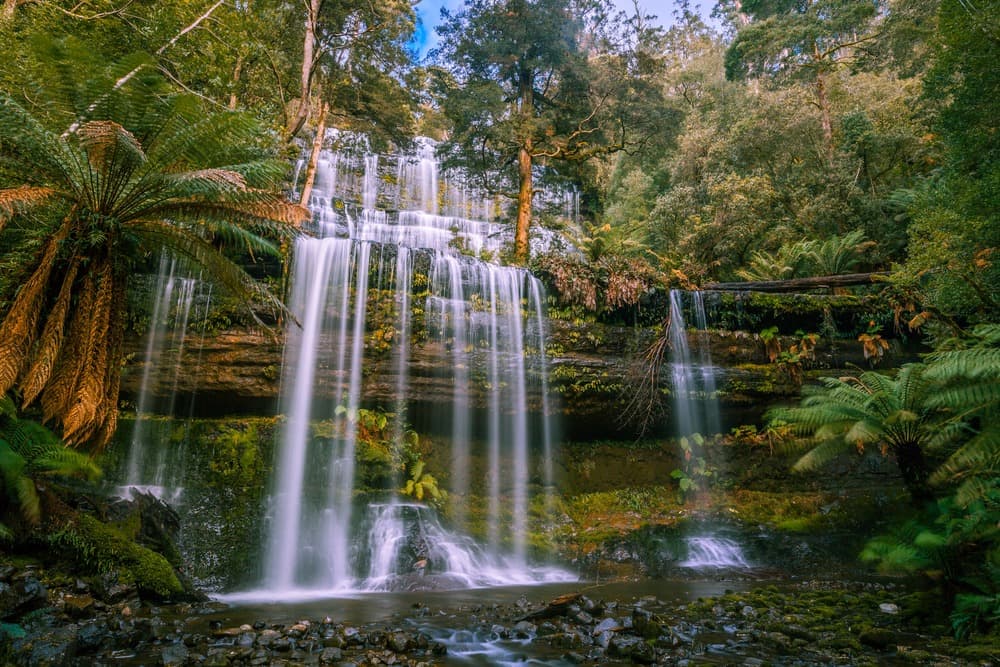
Marvel at Russell Falls
This three-tiered waterfall is the park's star attraction. A gentle 20-minute walk along a well-maintained trail takes you through towering ferns to the falls. The sight is spectacular year-round, especially after winter rains when water thunders down with power.
Walk Among Giants
The Big Trees Trail immerses you in a silent, cathedral-like forest where eucalyptus trees soar beyond 80 metres. Soft light filters through the canopy, creating an almost mystical atmosphere—perfect for photographers and those seeking quiet contemplation.
Venture to Lake Dobson and Tarn Shelf
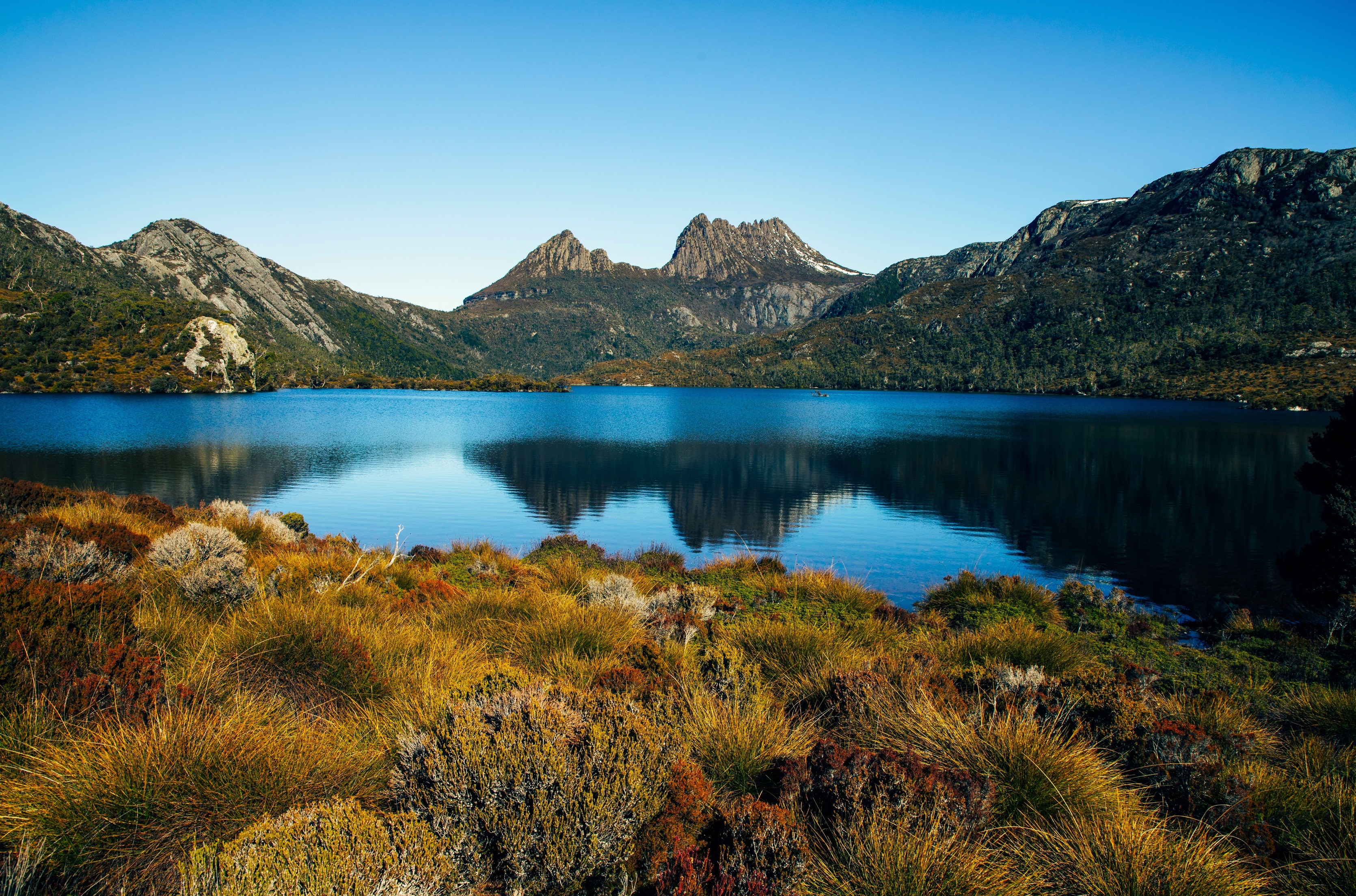
The gravel road to Lake Dobson opens into the alpine realm: wild heathlands, small glacial lakes and sweeping mountain views. The more adventurous push on to Tarn Shelf, a plateau dotted with crystal-clear pools where only wind breaks the silence.
Experience the Changing Seasons
Mount Field transforms dramatically throughout the year. In autumn (April–May), Gunn's beech sets the heights ablaze with orange and gold: Tarn Shelf becomes one of Tasmania's most photographed locations. In winter (June–August), snow transforms Mount Mawson into a charming family ski field where Hobart residents come for weekend runs. Spring and summer bring red waratahs, wild orchids and colourful heathers dotting the trails.
Keep Your Eyes Open: Wallabies are particularly active at dusk. With patience, you may spot a wombat or Tasmanian devil at twilight. Early risers might glimpse a platypus near calm streams, and as darkness falls, certain forest sections glow with the magical light of glowworms.
Good to Know: Several short trails are accessible to all, including those with mobility limitations, with picnic areas and interpretive panels throughout.
Located just over an hour from Hobart, the park is easily accessible year-round. Take the A10 or B62 via New Norfolk and Westerway. Roads are well-maintained but narrow in places. In winter, watch for ice on shaded sections. A TasMap of the park is available at the visitor centre.
Avoid driving after dark: wallabies, wombats and possums frequently cross the road.
Local Tip: Drive slowly at dusk and stay alert.
Access and Practical Information
Visitor Centre: The ideal starting point, open daily. You'll find maps, trail information, weather updates and road conditions. The Waterfalls Café serves light meals and beverages, and a shop stocks souvenirs and naturalist guides.
Lake Dobson Road: This 16 km gravel road climbs to alpine zones. In winter, snow chains are often necessary and the road may close. Check conditions on 03 6288 1149. Not suitable for campervans or buses.
Ski Access: In winter, Mount Mawson ski lifts operate weekends and public holidays, weather permitting. Contact the Southern Tasmanian Ski Association on 03 6288 1166.
Important Note: Campfires are strictly prohibited. Use fuel stoves only.
Want to discover this destination?
Our local advisors design your tailor-made trip.