Freycinet Peninsula
Freycinet Peninsula
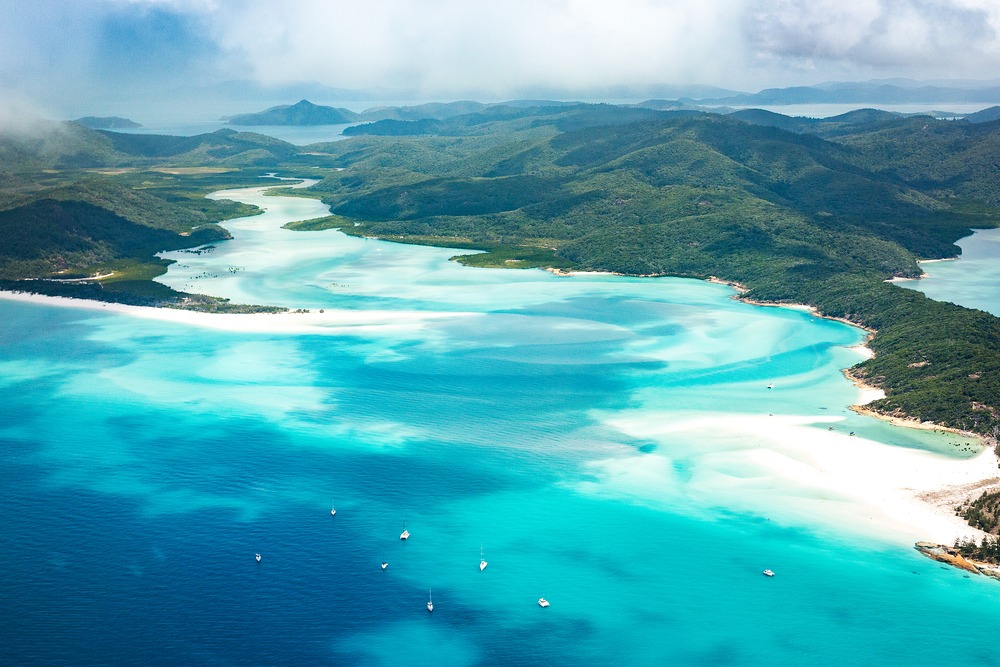
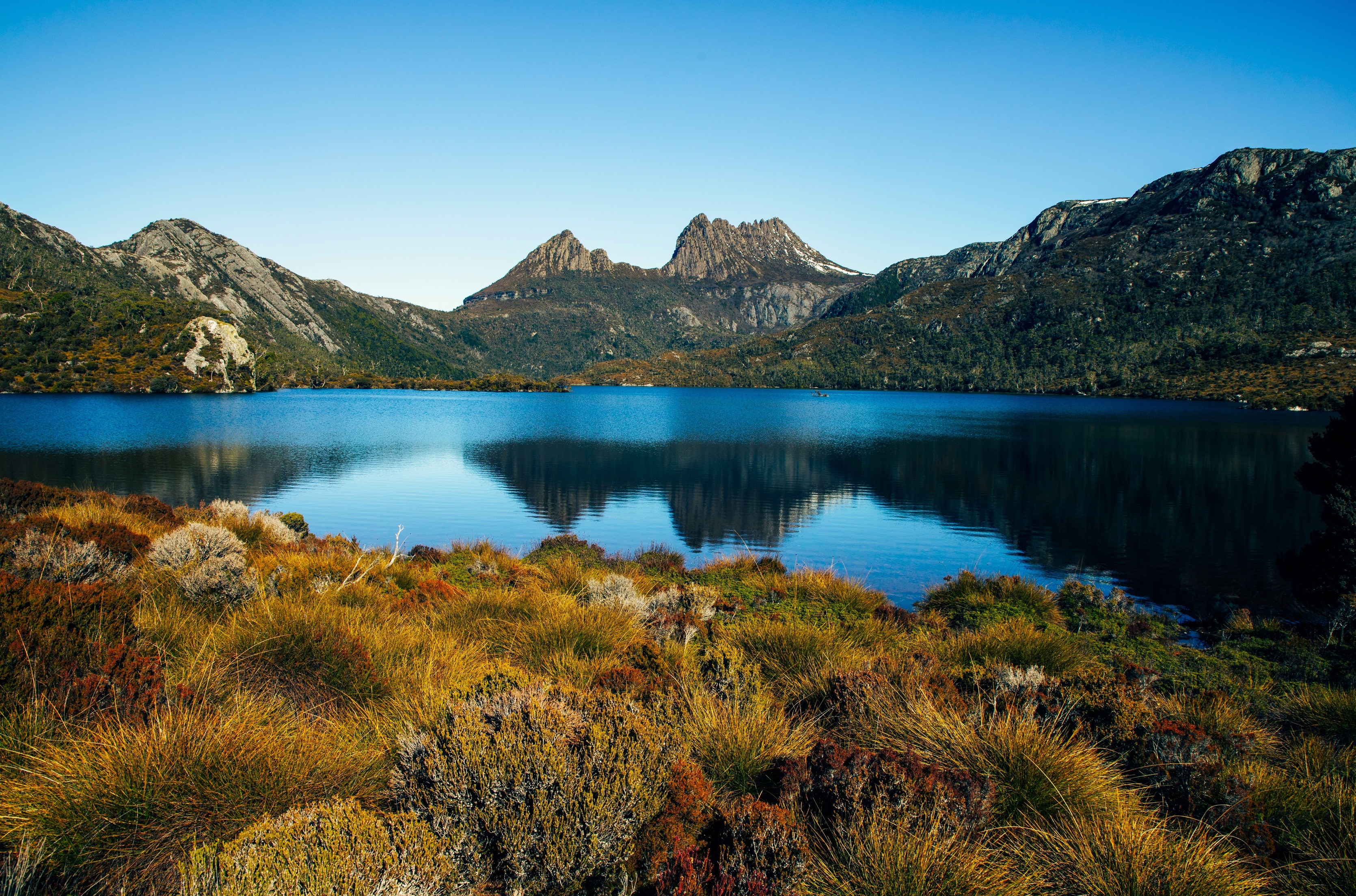
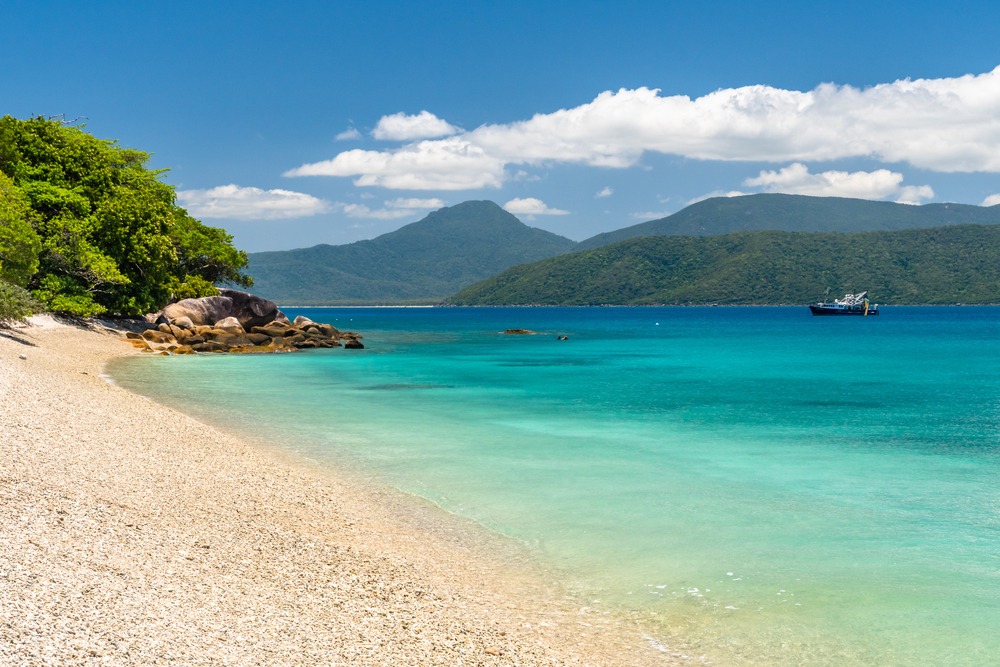
Rose-pink granite, turquoise beaches and unique wildlife: Freycinet Peninsula concentrates the best of Tasmanian nature on the east coast.
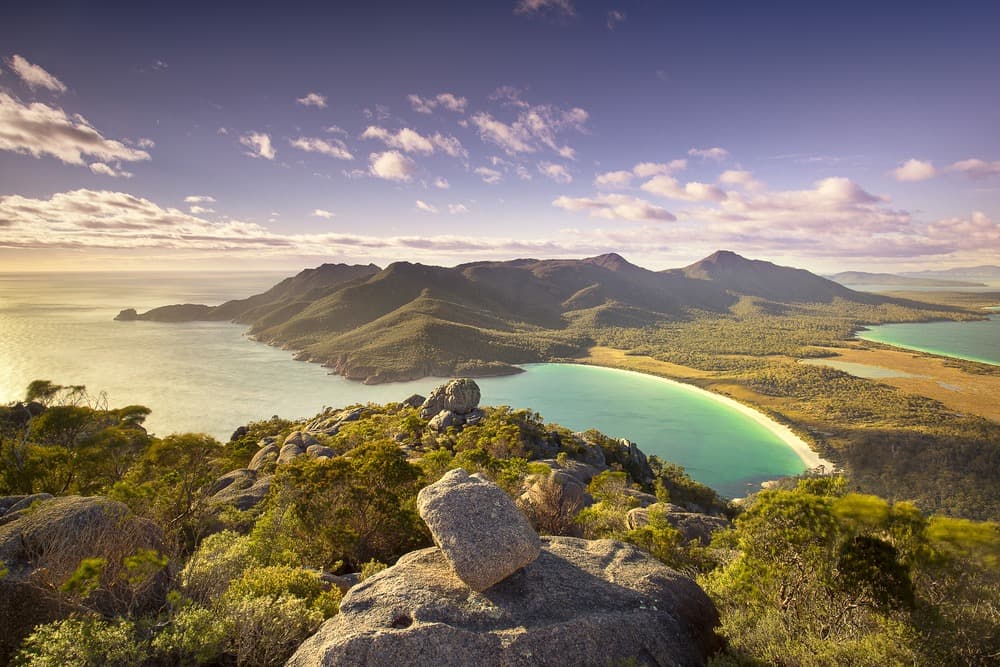
Located on Tasmania's east coast, Freycinet Peninsula is a true natural gem where rose-pink granite mountains, white sandy beaches and turquoise waters intertwine. It is home to Freycinet National Park, one of the oldest and most pristine parks on the island. Dominated by the jagged peaks of the Hazards and surrounded by perfectly shaped bays such as the famous Wineglass Bay, the peninsula offers ideal terrain for hiking, wildlife observation and relaxation in a natural setting.
Freycinet Through History
The region's history begins in the seventeenth century when Abel Tasman sails along Tasmania's east coast, believing he is discovering several distinct islands. It is not until 1802 that French explorer Nicolas Baudin corrects this error and names the peninsula in tribute to brothers Louis Henri and Louis Claude de Freycinet. Several capes and bays still bear their names today.
In the nineteenth century, the peninsula experiences intense activity with seal hunting, the establishment of whaling stations notably at Wineglass Bay, Refuge Bay and Coles Bay, as well as granite extraction. Mining and livestock farming ventures are also documented. These past uses have left discrete marks, such as old extraction zones or submerged objects. In 1916, a large portion of the peninsula is designated a national park, protecting these natural landscapes. Since then, nature has reclaimed the area and the region has become a refuge for remarkable biodiversity.
Freycinet Today
Nowadays, the peninsula attracts visitors seeking unspoiled landscapes and serenity. The small hamlet of Coles Bay, nestled between hills and ocean, is the ideal starting point for discovering the trails and shores of the park. Sustainable tourism is privileged, with particular respect for the region's natural riches. Among the economic activities still present, oyster farming holds an important place. In the generous waters of Great Oyster Bay, several aquaculture operations perpetuate the traditional farming of the angasi oyster, a local emblem.
Between granite formations, coastal trails and maritime horizons, Freycinet Peninsula offers a timeless escape, conducive to reconnecting with wild Tasmania.
What to Do at Freycinet
The peninsula is brimming with activities for all tastes:
- Hikes and Viewpoints: The Wineglass Bay lookout offers an easy walk rewarded with an iconic view of the bay. Mount Amos attracts more experienced hikers with a demanding ascent rewarded by a spectacular panorama. Cape Tourville offers an accessible walk with ocean views and the opportunity to spot whales in season.
- Beaches and Relaxation: Wineglass Bay is ideal for swimming and sunbathing. Friendly Beaches offers over ten kilometres of wild shores perfect for walks. Honeymoon Bay is a tranquil cove ideal for a picnic where you can admire the sunset.
- Water Activities: Boat trips around Wineglass Bay allow you to cruise the coastline, often accompanied by dolphins or seabirds. Kayaking in Great Oyster Bay lets you paddle facing the Hazards towards Honeymoon Bay. Scenic flights offer a spectacular vantage point over the peninsula, Fyre Bay and Port Arthur.
- Culinary Pleasures: The marine farm located at Freycinet invites you to savour fresh-harvested oysters and shellfish. Oyster Bay Tours introduces you to oyster farming culture through guided excursions. The Bay Restaurant at Freycinet Lodge offers refined cuisine featuring local produce with views over the bay.
Wildlife at Freycinet
This territory is home to rich fauna, with nearly fifty species of mammals unique to Tasmania. To maximise your chances of observing wildlife, choose early morning or late afternoon outings when animals are most active.
You may encounter:
- Bennett's wallabies, numerous in the region, are often visible late in the day.
- Pademelons and potoroos, small nocturnal marsupials often discrete
- Wombats and Tasmanian devils, sometimes spotted in scrubland at dusk
- Marsupial cats, bettongs and possums, more elusive but their tracks can be observed
- Echidnas, curious creatures often visible during the day
- Long-eared bats, active at nightfall
Flora at Freycinet
The peninsula possesses rich and varied vegetation, shaped by granite and dolerite soils. To appreciate it fully, walk through the heathlands and coastal zones, especially in spring and summer.
You will discover:
- Eucalypts and myrtles that dominate the forests and heaths
- Banksias and kunzeas, shrubs with colourful flowers that attract birds and insects
- Endemic wildflowers such as orchids and heather plants
- Coastal vegetation resistant to salt composed of grasses and shrubs adapted to sea winds
- Landscapes alternating between dense forests, open heaths and rocky areas
The early hours of the day are perfect for admiring these colours and observing nature awakening.
When to Visit?
- In spring from September to November and autumn from March to May, the climate is mild and the skies clear, perfect for hiking.
- Summer from December to February is ideal for enjoying beaches and water activities under generous sunshine.
- Winter from June to August, quieter, allows you to observe whales offshore.
- The high season extends from spring through summer with more visitors, while the low season in winter offers a more peaceful experience.
The peninsula is located approximately one hundred and eighty kilometres from Hobart and one hundred and sixty kilometres from Launceston, two cities served by national and international flights.
- Renting a car remains the most practical option for discovering the region at your own pace. Advance booking is recommended.
- For travellers without a vehicle, guided tours with transport included are available from Hobart.
Scenic flights in light aircraft offer an exceptional view of the peninsula, Fyre Bay and Port Arthur.
Attractions in Freycinet Peninsula
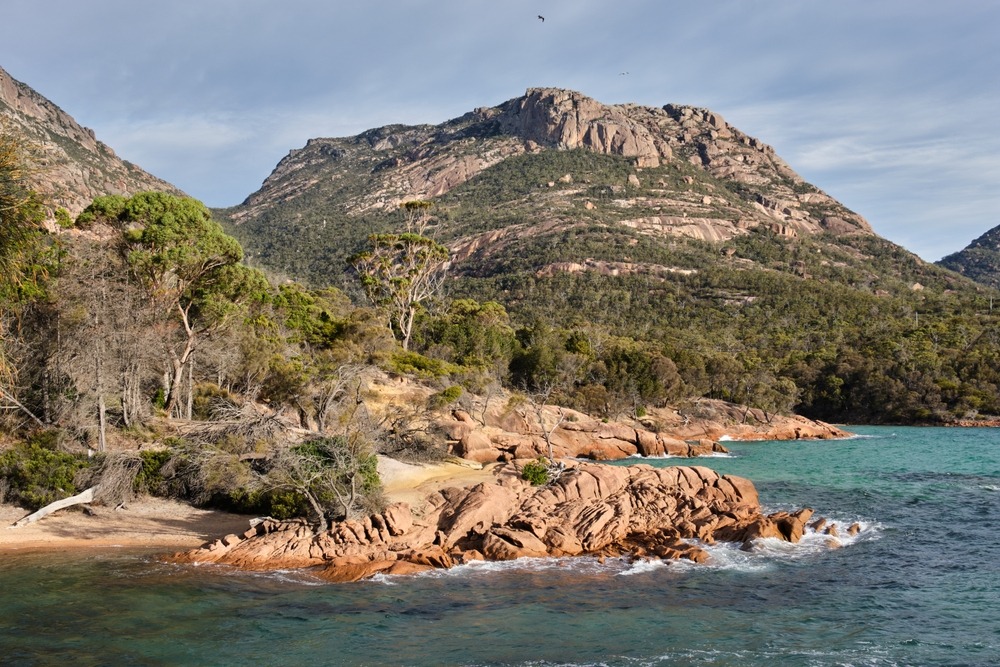
Honeymoon Bay
Petite crique du parc national de Freycinet, près de Coles Bay en Tasmanie, encadrée de roches granitiques et accessible en quelques minutes du parking.
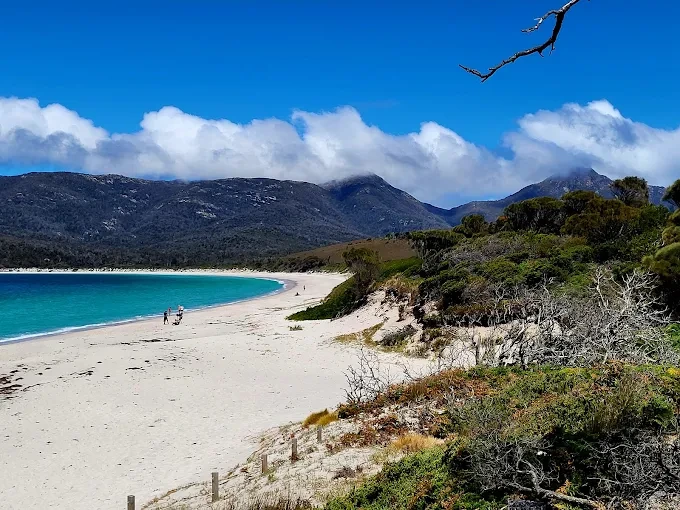
Parc national de Freycinet
Sur la côte est de la Tasmanie, Freycinet associe pics de granit rose, plages de sable blanc et faune marine. Repère pratique pour visiter Wineglass Bay depuis Coles Bay.
Want to discover this destination?
Our local advisors design your tailor-made trip.